Before You Set 2027 Goals, Ask What You're Optimizing For
Growth, sustainability, or impact — pick one on purpose
Goal season is coming, and most teams will jump straight to the how.
New targets. New initiatives. New numbers to hit. It's the fastest part of planning, and it's also the part that happens before anyone's asked the harder question: what are we actually building all of this toward?
A goal is only as good as what it's in service of. Skip that part, and you can hit every target on the list and end the year with a team that felt like they were busy but not productive, all because they were missing the bigger point.
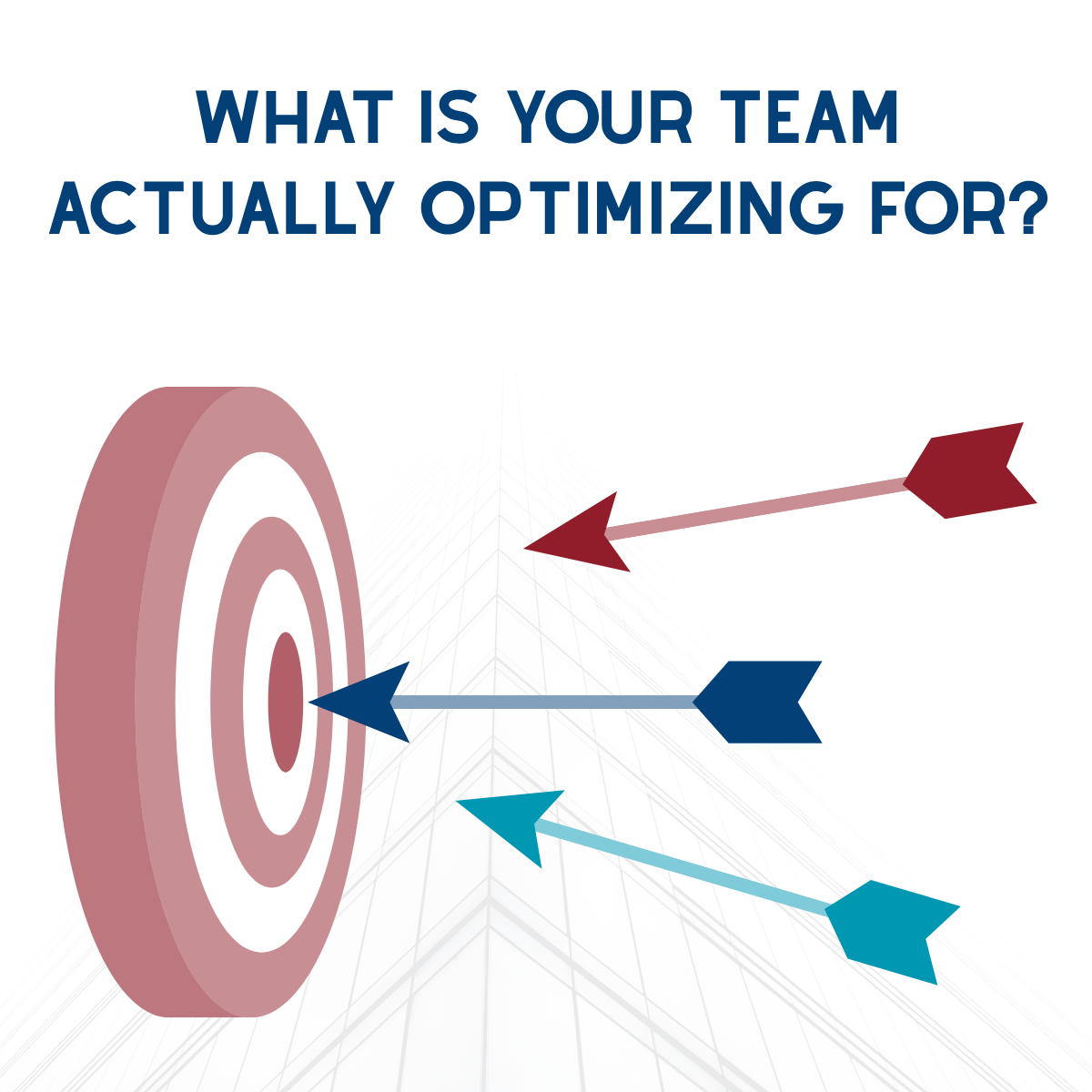
Before the planning conversations start: what is your team actually optimizing for next year?
Growth. Sustainability. Impact. They sound like they belong together — and sometimes they do — but they're not the same answer, and they don't lead to the same plan.
Let’s look at the differences:
An academic department optimizing for growth might be adding faculty, expanding clinical volume, or taking on more trainees. Pay attention to what that requires: growth without a plan for supervision, mentorship capacity, or onboarding can quietly become the thing that burns out the people already stretched thin.
A healthcare team optimizing for sustainability might be protecting non-clinical time, building in coverage redundancy, or staggering the pace of new initiatives so current commitments can actually be done well. That's not the same as playing it safe, it's a deliberate bet that the team's long-term capacity matters more than this year's output.
A leadership team optimizing for impact might prioritize the research question, the clinical program, or the trainee relationships that actually move the needle, even if that means saying no to opportunities that look good on paper but don't serve the mission. Impact-first teams often do less, on purpose, so what they do keeps its weight.
There’s no one “right” choice.
But a team that hasn't named what it's actually optimizing for tends to default into growth — because growth is the easiest to measure and the hardest to say no to — even when sustainability or impact is what the team actually needs most.
So, as you head into 2027 planning: what is your team actually optimizing for?
Not which one sounds best in a strategic plan. Which one is actually driving the decisions your team will make next year.
That's not a question one person should answer alone — or even can.
It's a conversation worth having with the people who'll be living the plan alongside you: your team, your co-leaders, your department. Getting aligned on what you're optimizing for — before you build the goals — is some of the highest-leverage work a team can do heading into a new year.
If that's a conversation you want a partner in facilitating, I'd love to help.
Let's find time to connect.

To naming what we're actually optimizing for,
Claire
P.S. Never miss insights like this. Sign up for my weekly newsletter here.