Science happens over centuries
Who do we need to be to see it through?
"Science happens over centuries — not just a few years — so I want to lead in a way that draws my students in, sparks interest and joy, and keeps them connected to each other and the work."
Phew. What an answer.
That came from a recent conversation where I asked someone, "What do you most want to be true for your team?" And I haven't been able to stop thinking about it since.
In a world of four-hour delivery windows, near-instant email expectations, and results due by Friday — that answer felt like an invitation to reset. A reminder that not everything worth building moves at the speed we've all gotten used to demanding.
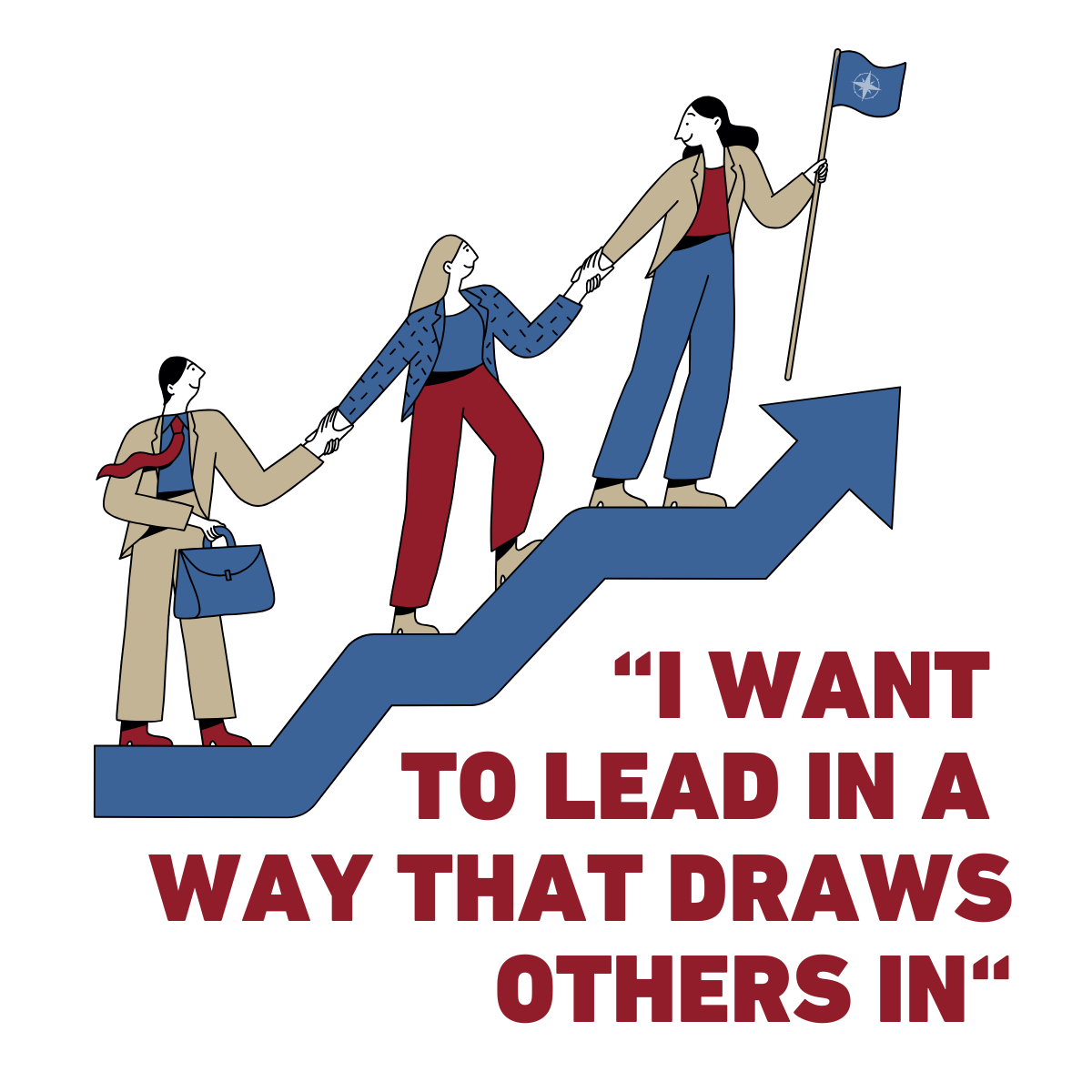
In a world of four-hour delivery windows, near-instant email expectations, and results due by Friday — that answer felt like an invitation to reset. A reminder that not everything worth building moves at the speed we've all gotten used to demanding.
Culture could use some of science's patience
Every leader wants a strong culture. Most of us, if we're honest, also want it fast. But the researchers who've changed medicine didn't do it in a fiscal year. They did it through sustained attention, honest collaboration, and an orientation toward something larger than the next milestone.
That's also how cultures are built.
When organizations chase culture outcomes — survey scores, retention numbers, engagement metrics — without investing in the conditions that actually produce them, they get a snapshot without a foundation. People feel the difference. They always feel the difference.
Here's where it shows up:
1. Relationships become transactional.
When leaders only invest in their people during performance cycles or crises, team members learn not to expect more — and, quietly, they stop offering more in return.
2. Trust erodes quietly.
Culture doesn't collapse in dramatic moments. It thins out through small, repeated signals: the 1:1 that keeps getting rescheduled, the feedback that's too vague to act on, the team offsite that gets cut from the budget. None of it feels fatal in the moment. The cumulative effect often is.
3. Your highest performers leave first.
People with options use them. The people with the most to offer are also the most attuned to whether the culture is actually what it claims to be. They're watching the long game too — and they notice exactly who isn't playing it.
A long-view investment in culture isn't idealistic. It's strategic.
Organizations that sustain strong cultures don't get there by making culture a priority once a year, in a single offsite or survey cycle. They get there because their leaders treat relationships — with their teams, with their peers, with the people they're developing — as the work. Not a distraction from it.
What are you building right now that won't show up in this year's metrics — but will define your team's culture three years from now?
If this is the kind of work you want to think through intentionally, a Development Review is a good place to start. Let's find time to connect.