About my professional tantrum
Growth spurts happen for leaders too
Have you ever had a professional tantrum?
My first one happened during my transition from teaching 8th graders to coaching teachers. It was a transition I wanted. I wanted to be the person holding teachers to the wildest dreams they and their students had for the school year — to support deeper connections to learning and possibility, to expand my impact beyond one classroom.
And it wasn't easy.
As it turns out, I wasn't ready to let go of the control I'd had as a teacher — being the one lesson planning, the one working directly with students, the one grading the quiz and adjusting tomorrow's plan based on where today landed. I didn't want to let go of those things, and worse, I didn't know how to understand my own performance or value without them.
So I had some tantrum behaviors.
In my first year coaching, there were moments I micromanaged my teachers out of pure anxiety — were they as ready as I would have been? I got snappy when things went wrong, often because I was quietly blaming myself for not being who or what my teachers needed. I whined, more than once, about how my job wasn't their job and why things weren't unfolding the way I'd pictured.
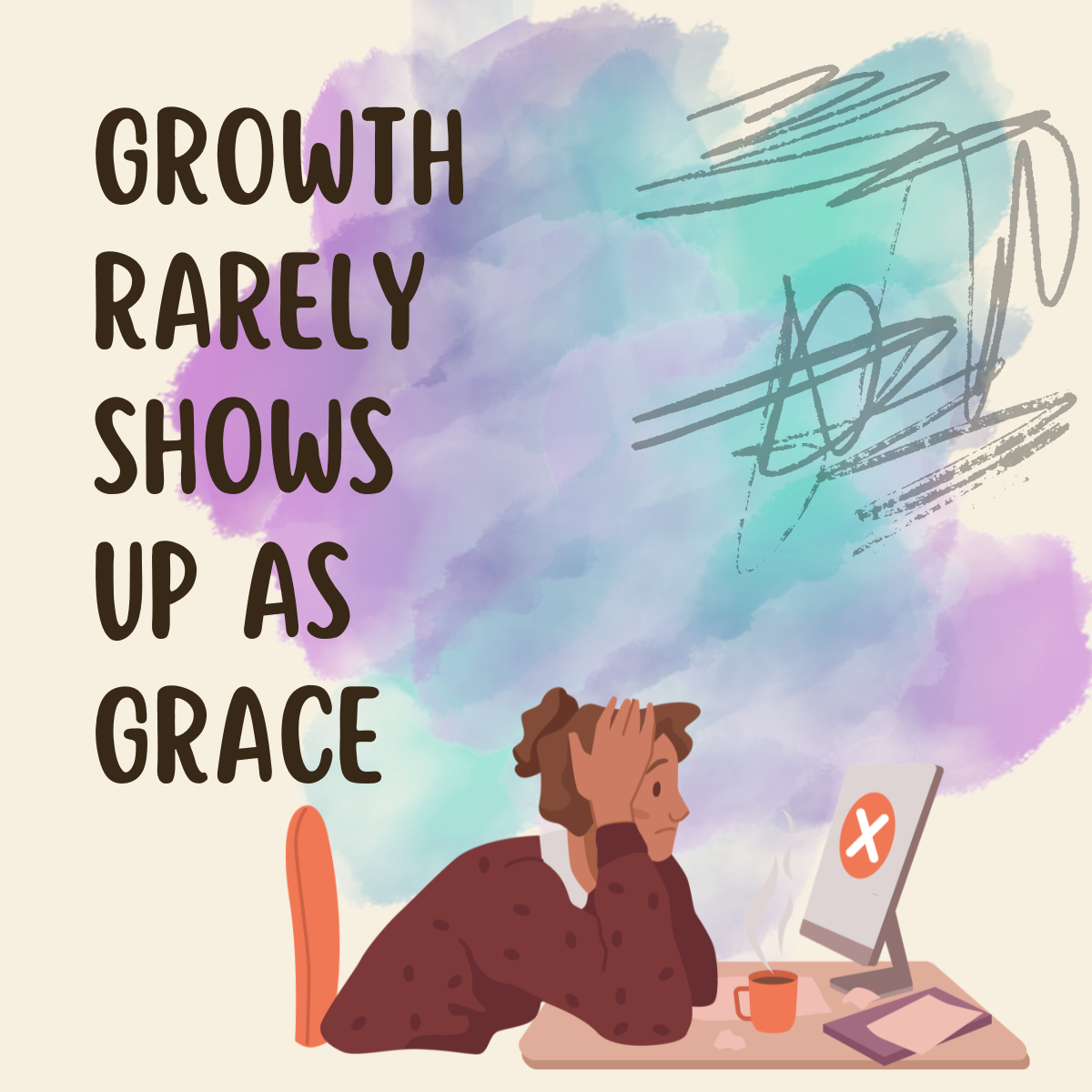
I don't love revisiting those days. But I'm kinder to myself about them now. I've come to understand that, just like for kids, professional growth spurts can come with a side of tantrum.
What a growth spurt actually looks like:
When leaders are in a genuine growth phase — a new role, new scope, new complexity — it doesn't always look like grace. Sometimes it looks like frustration, impatience, or reactivity. Naming the growth spurt doesn't excuse the behavior. But it does help you navigate it, instead of just being ashamed of it.
If you're in a leadership growth spurt right now, you might be a little harder to be around. That's okay. Here's what to do with it.
Bring it to a coaching space
Coaching provides exactly the right container for a professional growth spurt, because together we can:
Acknowledge the growing pains. What's changed — or been lost — in how you've learned to lead? What's the actual impact of that shift for you, day to day?
Alleviate the tantrum with practical tactics. Most tantrum feelings come from something that doesn't feel fair, controllable, or accessible. We can identify exactly what that something is — and build a concrete response to it.
Refocus on others and impact. You took on this growth for a reason — for your team, your patients, your students, your organization. We can reconnect you to that reason, so the discomfort of growing becomes worth it again.
You and your team don't have to take on grumpy growth spurts alone.
As a strategic partner, I help leaders move through exactly this kind of transition — with more self-compassion and a lot less unnecessary snapping at the people around you.

To more graceful growth spurts,
Claire
P.S. Never miss insights like this. Sign up for my weekly newsletter here.